

Roof inspections in Papillion, NE, every part from the gutter to the ridge
A roof inspection from us is a climb, not a look from the driveway or a drone pass. Dana goes up the ladder at the gutter and walks every slope to the ridge, stopping at each part on the way: drip edge, eaves, field shingles, valleys, pipe boots, flashing, skylights, vents and ridge cap. Then the attic from inside. You get a written report with a photo and a plain condition for every part.
- Every slope climbed, not photographed from the ground
- Each part named, photographed and rated
- Yours to keep, whoever does the work
Book a gutter to ridge inspection
We answer the same working day. After a hailstorm, into the evening.
Water coming through a ceiling right now? Call or text: 402-555-0163
Why we climb it, slope by slope
Water runs down a roof, so the parts at the bottom carry the most of it and the parts at the top have the most to lose if they fail. We inspect in the same order. Dana sets the ladder at the gutter and starts there: the gutter, the drip edge and the first course of shingles. Then up the slope, course by course, to the valleys, the pipe boots and vents, the flashing at walls, chimneys and skylights, and finally the ridge cap and ridge vent.
Every slope gets the same walk. Each part is photographed where it sits, so you can find it from the yard. The attic comes last, from inside, where daylight at a nail, a stained deck or frost on the underside of the sheathing tells us about ventilation that the outside cannot.
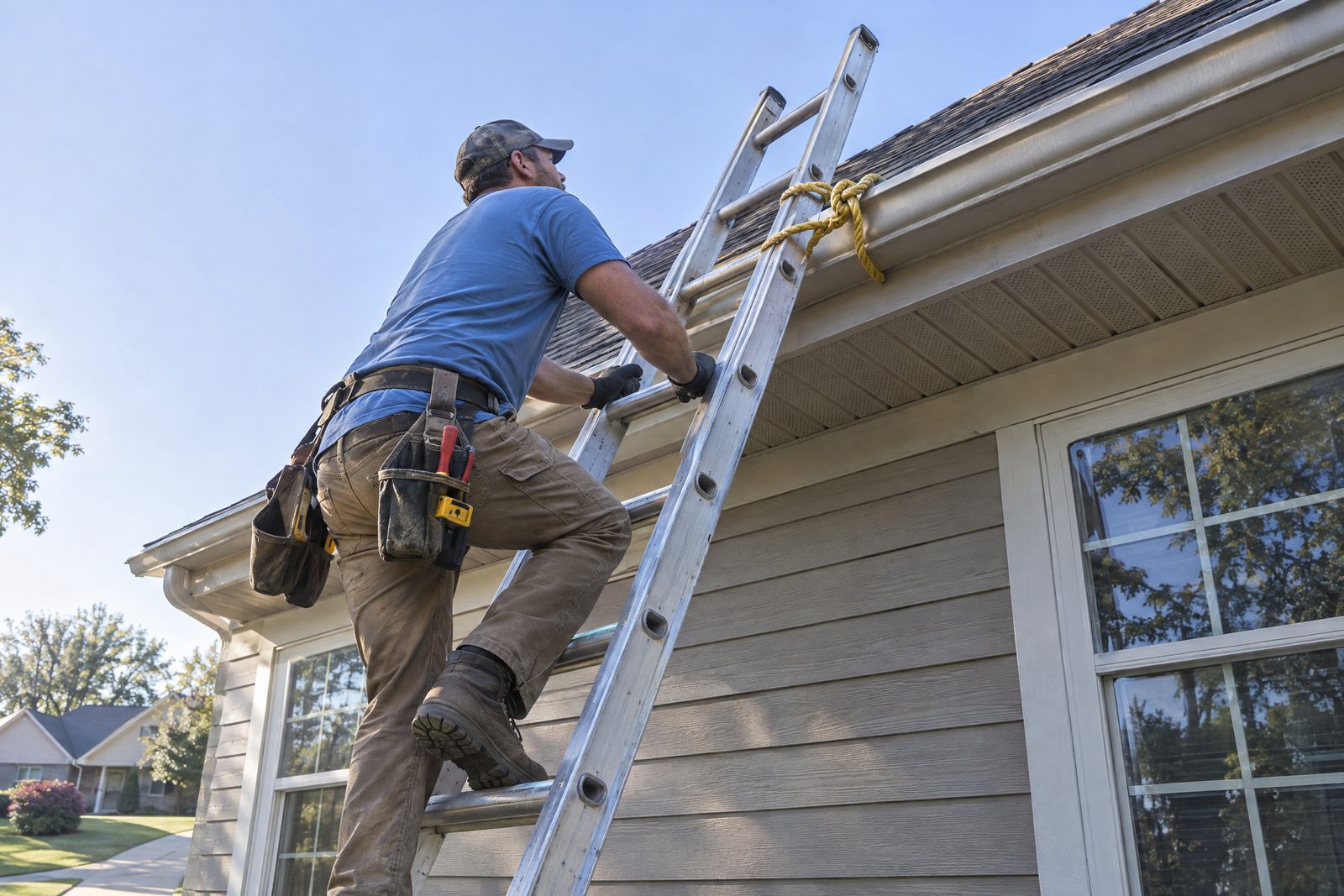
The parts on the report, from the gutter up
Every report lists the same parts in the same order, so two reports a few years apart can be compared.
Gutter, drip edge and eaves
Gutters pulling away, a missing drip edge, rot at the fascia, and signs of ice backing up at the eave.
The field of shingles
Granule loss, curling, cracking, lifted tabs, hail hits and how many layers there are.
Valleys
Worn shingles, debris dams and cut lines where two slopes send their water together.
Pipe boots and vents
Cracked rubber collars, rusted or dented vent caps, and exhaust fans that end in the attic instead of outside.
Flashing and skylights
Step flashing at walls, counterflashing at chimneys, and the curb and flashing kit round each skylight.
Ridge and attic
Ridge cap and ridge vent at the top, then the attic from inside: intake and exhaust ventilation, daylight, stains, frost and insulation.
How an inspection visit goes
About an hour on a typical house, longer on a steep or cut-up roof.
A walk round the house.
Gutters, downspouts and every slope from the ground, to plan the climb.
Up at the gutter, over every slope.
Each part photographed and rated on the way to the ridge.
The attic.
Ventilation, daylight, stains and insulation, from inside.
The report, at your table.
Slope by slope, part by part, before anything is priced.
Book a gutter to ridge roof check
“Two other roofers told us our 1920s roof had to go. Dana climbed it, found the leak at the chimney flashing, and showed us the rest of the slate-look shingles still lying flat. She rebuilt the flashing with a cricket behind the chimney. Dry through a whole spring.”
Two things on every report that change the next roof
How many layers there are. Section R908.3.1.1 of the International Residential Code says a new roof cannot be laid over an existing roof that already has two or more layers of covering. We lift a shingle at the eave and count. One layer means a recover may be possible on some houses; two layers means the next roof is a full tear-off to the deck, which a buyer or a homeowner planning ahead should know.
Whether the eaves have an ice barrier. The code calls for an ice barrier at the eaves where ice has a history of forming there, from the edge of the roof to at least 24 inches inside the exterior wall line (section R905.1.2). Lincoln, for example, enforces the 2018 edition and spells this out in its re-roof policy. We check what your own city enforces when we pull a permit. Many older roofs in the Omaha metro have none, and stains on the ceiling near an outside wall in late winter often trace back to it.
Both go on the report with a photo, along with the attic ventilation, because they decide what the next roof costs and how long this one lasts. If the report says the roof is close to done, the next page to read is roof replacement.
Questions about roof inspections
What is in the report?
A page for each slope, named by the side of the house it faces, with each part on that slope listed from the gutter up: drip edge and gutter, eaves, field shingles, valleys, pipe boots and vents, flashing, skylights, ridge. Each has a photo and one of three conditions: sound, watch it, or fix it now. The attic gets its own page: ventilation, daylight, stains and insulation.
Do you inspect roofs for home buyers?
Yes. A general home inspector often looks at a roof from the ground or a ladder at the eave. We climb it and count layers, which matters: the International Residential Code does not allow new shingles over a roof that already has two layers, so a second layer means the next roof is a full tear-off. Ask for the inspection inside your contract window.
How often should a roof be inspected?
Once every few years on a roof in good shape, and after any storm with hail or strong straight-line wind. A look in fall before the freeze is worth it on an older roof, because small flashing gaps widen over a Nebraska winter.
Can you inspect a steep or slippery roof?
We climb with a harness tied to a roof anchor on steep roofs, and we do not walk wet, icy or frosted shingles. If the roof is unsafe that day, we reschedule rather than guess from the ground.
Do you use drones?
A drone photo can show a missing shingle, but it cannot lift a tab to check the seal, feel a soft deck underfoot, or see a cracked pipe boot from the side. We climb. If a roof cannot be walked safely, we say so in the report.
Dana climbs your roof herself
We work from our Papillion office across Omaha, Bellevue, La Vista, Gretna and Council Bluffs. After a storm, the inspection is the first step of a hail and wind check.
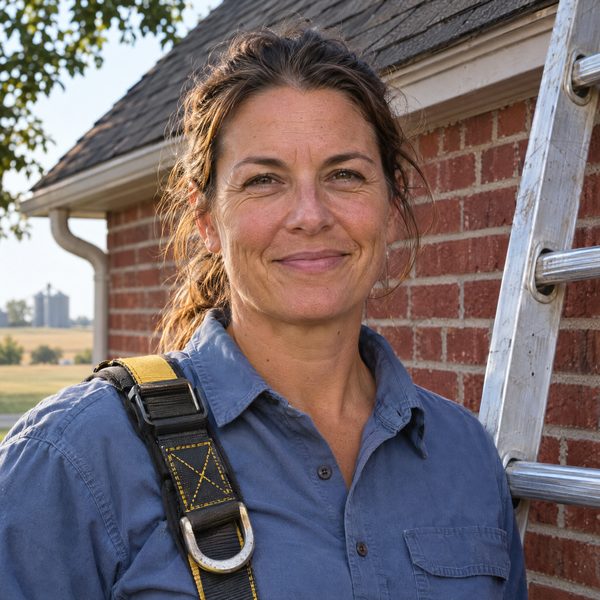
Dana Novak, owner and roofer
Dana climbs every roof herself, walks each slope from the gutter to the ridge and writes the report you get. She has roofed in the Omaha metro for eighteen years.
Book a roof inspection
We answer the same working day. After a hailstorm, into the evening.
Water coming through a ceiling right now? Call or text: 402-555-0163
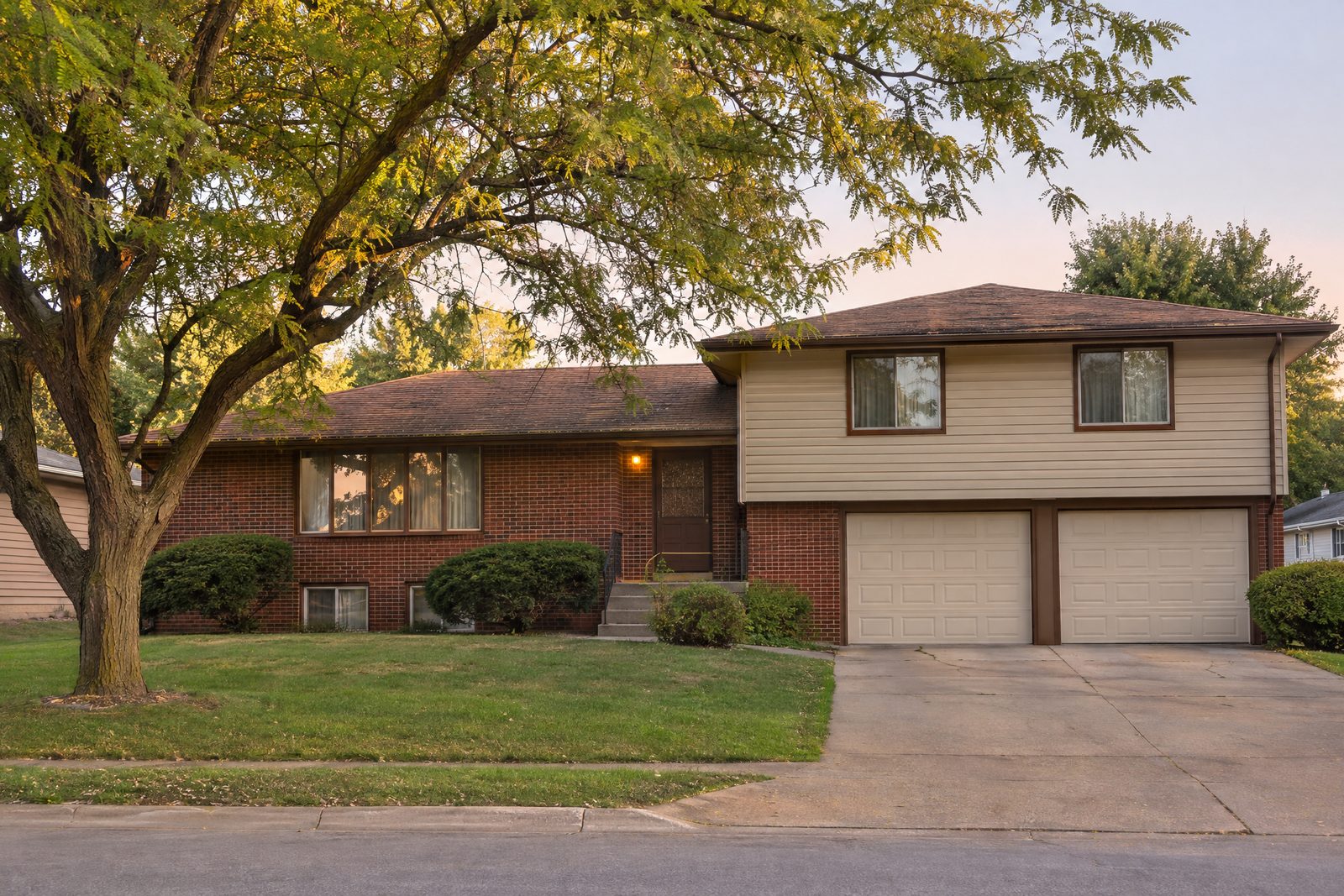
Tell us about the roof
Give us the address, the age of the roof if you know it, and why you are asking: a house you are buying, a stain, granules in the gutters, a storm last week.
Book a gutter to ridge roof check
We answer the same working day. After a hailstorm, into the evening.
Water coming through a ceiling right now? Call or text: 402-555-0163